That sudden, sharp twinge when you sip an ice-cold glass of water, bite into an ice cream, or simply breathe in cold air: most people know the feeling. This unpleasant sensation, known as tooth sensitivity or dentine hypersensitivity, is a common complaint. It can be genuinely uncomfortable, but the good news is that effective solutions exist. In this guide we look closely at what causes it and at the treatments that let you enjoy food and drink again, pain-free.
What Actually Causes Tooth Sensitivity? The Role of Dentine
The root of the problem nearly always comes down to exposed dentine, the layer that sits beneath the enamel. Your teeth are made up of several layers. The outer, hard layer is the enamel, which protects the more sensitive dentine underneath. Dentine itself is porous and contains thousands of microscopic channels (tubules) that connect to the nerve at the centre of the tooth (the pulp).
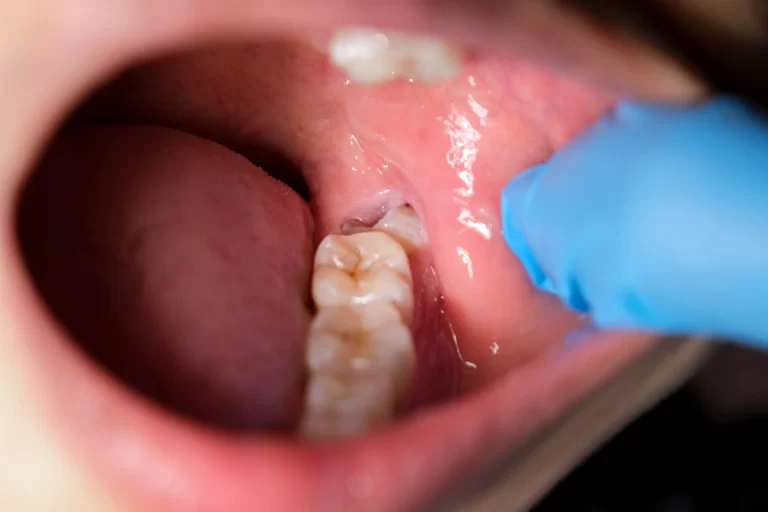
When the protective enamel or the gum that covers the tooth roots wears away or recedes, these channels become exposed. Triggers such as cold, heat, sweet or acidic foods can then travel down the tubules to the nerve and set off a jolt of pain.
The most common reasons for exposed dentine are:
Receding Gums: This is the most frequent cause. As the gum line pulls back, it exposes the neck of the tooth, which has no protective enamel. It can happen because of:
- Gum inflammation (gingivitis or periodontitis).
- Brushing too hard, or using a toothbrush with bristles that are too firm.
- Getting older.
Regular check-ups and professional cleaning with the dental hygienist are key to preventing or managing this.
Tooth Wear and Erosion: Enamel can wear down over time, leaving the dentine beneath it exposed.
- Erosion: wear caused by acids in food and drink (fizzy drinks, fruit juice, wine) or by stomach acid (reflux).
- Abrasion: mechanical wear from brushing too hard or using an abrasive (whitening) toothpaste.
- Attrition: wear from grinding (bruxism) or clenching, where the teeth rub against each other.
Tooth Decay and Cavities (Caries): A cavity is damage to the enamel. Left untreated, it can reach the dentine and cause sensitivity. In that case, a filling is the answer.
Cracks in Teeth or Fillings: Even a hairline crack can open a path to the dentine and leave a tooth sensitive.
After Dental Treatment: Some sensitivity can appear temporarily after procedures such as teeth whitening, or after a crown or filling is placed. It is usually short-lived and settles on its own.
Deeper Inflammation: If the pain is constant, throbbing and severe, it can point to inflammation of the tooth nerve. This often calls for a root canal treatment to save the tooth.
What Can You Do Yourself to Ease the Sensitivity?
There is plenty you can do at home to relieve the discomfort and keep it from coming back:
Use a Special Toothpaste: Choose a toothpaste made specifically for sensitive teeth.
Brush Gently: Always use a soft-bristled toothbrush and go easy on the pressure.
Watch What You Eat and Drink: Cut back on acidic foods, and wait at least 30 minutes before brushing after anything acidic.
Use Fluoride: A fluoride mouthwash can help strengthen the enamel.
Consider a Night Guard: If you grind your teeth, a custom-made night guard (splint) can prevent further wear.
Keep Up with Check-ups: Six-monthly visits let your dentist spot problems early.
Professional Treatment with Our Dentist in Leiden
If the discomfort lingers, it is worth having the cause looked at professionally. Our dentist in Leiden will examine your teeth thoroughly. Based on the diagnosis, we draw up a personal treatment plan together. The options fall under general or cosmetic dentistry. A few examples:
Fluoride Varnish or Gel: a concentrated fluoride treatment applied at the practice.
Sealing: exposed tooth necks can be covered with a special resin coating.
Fillings or Bonding: the dentist can cover the sensitive area with a tooth-coloured filling.
Gum Graft: a small procedure to cover an exposed root surface again.
Root Canal Treatment: a last resort when the nerve is the source of the pain.
Struggling with sensitive teeth? Don’t put it off any longer. Let us help you find the cause and ease the pain.
For more detail, take a look at our treatments or book an appointment straight away with your dentist in Leiden. Together we’ll keep your teeth healthy and pain-free.