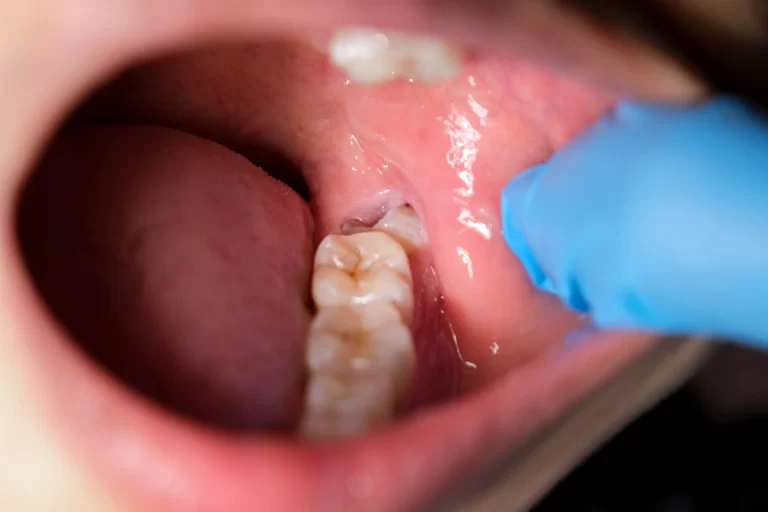
Sore, inflamed gums are common, and they can make everyday life genuinely uncomfortable.
Are your gums red, swollen, or bleeding?
Do they feel tender when you eat or brush?
If so, your gums may be inflamed, a condition known as gingivitis.
At Skydent Dentist in Leiden, we see people with gum problems every single day.
This article explains what inflamed gums actually are, where the trouble comes from, and what you can do to ease the pain and stop it from getting worse.
What are inflamed gums?
Inflamed gums are red, swollen, and sometimes painful. It usually happens because bacteria and plaque sit on your teeth and irritate the gum tissue. The gums may also bleed, especially while you brush.
This is the earliest stage of gum disease, and left alone, it tends to get worse. That is why good brushing matters, along with a check-up at the dentist when you need one.
When gums are inflamed, they turn red and hurt because bacteria are irritating them. Healthy gums are usually pale pink, feel firm, and sit snugly around each tooth. Once they go red, puffy, tender, and quick to bleed, inflammation is often the cause. At this early stage we call it gingivitis. If you ignore it, it can progress to periodontitis, where the jawbone is damaged too.
How do inflamed gums and pain develop?
Sore, inflamed gums usually start when bacteria build up along the gumline.
If you do not brush thoroughly enough, the bacteria in that thin film multiply and irritate the gums.
That irritation turns the gums red, swollen, and painful.
Sometimes they even bleed when you brush or clean between your teeth.
Left to sit for longer, it can lead to an infection, and the pain gets worse.
A good, steady oral care routine is usually enough to keep all of this at bay.
The main cause: dental plaque
The leading cause of inflamed gums is dental plaque.
Plaque is a thin, sticky layer of bacteria that forms on your teeth every day.
If you do not brush it away properly and clean between your teeth, it can harden into tartar.
Tartar irritates the gums, which can lead to inflammation and pain.
Other possible causes
- Not taking good enough care of your oral hygiene
- Brushing too hard can irritate your gums and even make them bleed. This is sometimes called brushing trauma. There is no need to scrub: a soft brush and the right technique are far better for your mouth, and they keep your gums from receding or getting damaged.
- Smoking takes a real toll on your gums. It reduces blood flow to the tissue, which masks bleeding and lets gum disease advance further before you notice it. Smokers also heal more slowly and face a higher risk of serious gum problems. If you are thinking about quitting, your gums are one good reason to.
- Stress affects your mouth too. When stress runs high, your immune system is weaker, so your body fights gum bacteria less effectively. Stress can also lead to teeth grinding and a slipping oral care routine, both of which make gum problems worse. Finding ways to wind down helps your gums as much as the rest of you.
- Diabetes raises the risk of gum disease, because high blood sugar makes it harder for the body to fight off infection and to heal. The link runs both ways: untreated gum inflammation can also make blood sugar harder to control. If you have diabetes, keeping it well managed protects your gums, and good gum care helps in return.
- Hormonal changes, such as those during pregnancy
- A weakened immune system
Even food trapped under the gumline can suddenly cause a lot of pain.
Frequently asked questions
How long do inflamed gums last?
At an early stage such as gingivitis, inflamed gums can recover within a few days to two weeks once you improve your oral hygiene and remove plaque properly. If the symptoms linger, it is worth booking a check-up with your dentist in Leiden.
Do inflamed gums heal on their own?
Mild irritation eases when you brush better and clean carefully between your teeth. Genuine gum inflammation, though, often will not clear without a professional cleaning. Tartar can only be removed by a dentist or dental hygienist.
What can you do about sore, inflamed gums?
Brush twice a day with a soft toothbrush and fluoride toothpaste. Clean between your teeth daily with floss or interdental brushes. A chlorhexidine mouthwash can help for a short while, but use it only when your dentist recommends it. If the pain persists, professional treatment is needed.
When should I see the dentist about inflamed gums?
Book an appointment when:
- The gums keep bleeding
- The pain is getting worse
- There is visible swelling or pus
- Teeth start to feel loose
Treating it early prevents periodontitis and further damage.
Are inflamed gums dangerous?
In the early stage, they respond well to treatment. Left unaddressed, the inflammation can progress to periodontitis. That can damage the jawbone and leave teeth loose.
What does treatment for inflamed gums cost in Leiden?
The cost depends on how severe the inflammation is and which treatment you need. A professional cleaning is often covered by supplementary dental insurance. At Skydent Dentist in Leiden, you will always get clear advice about the cost during your check-up.
Can inflamed gums come back?
Yes. Plaque builds up again, and if your oral hygiene slips, the inflammation can return. Regular check-ups and professional cleanings keep that from happening.