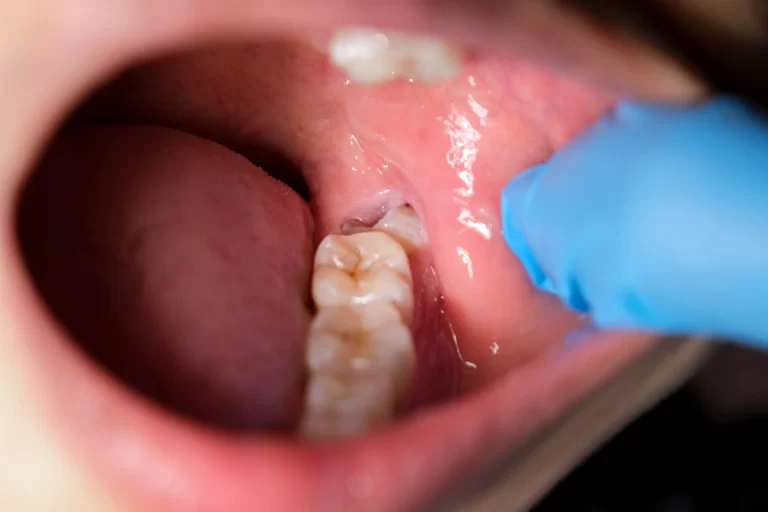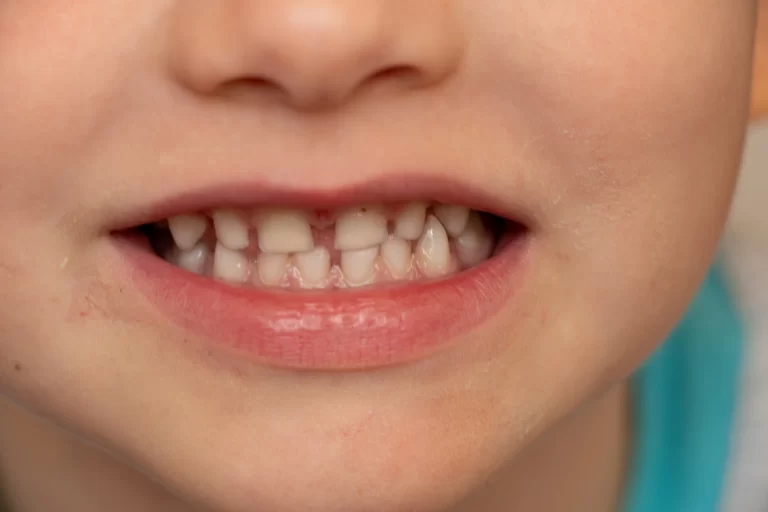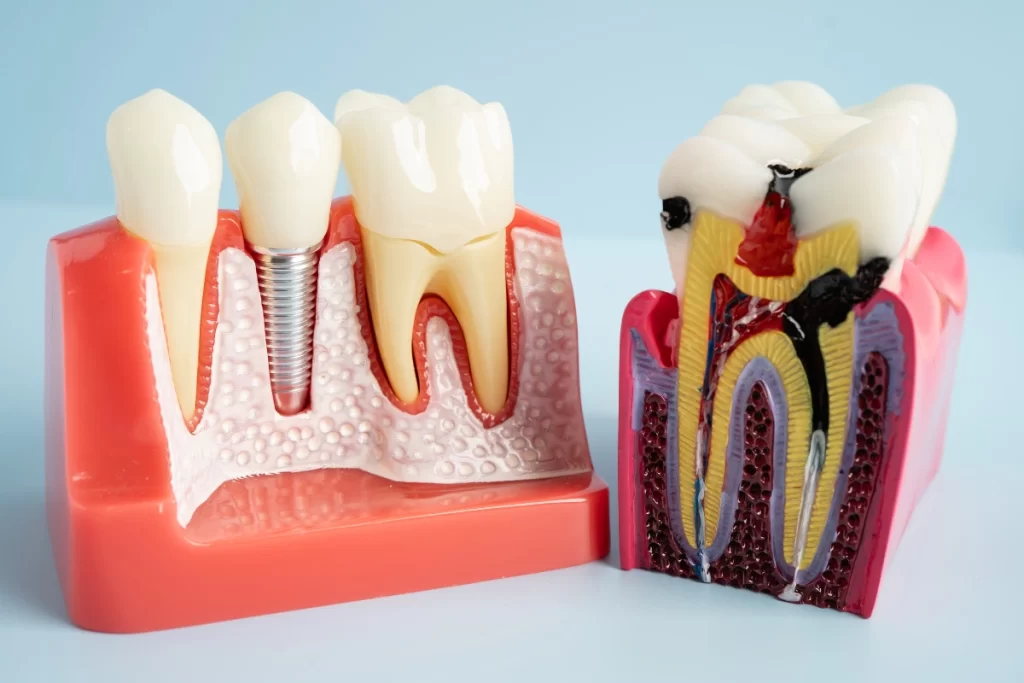
After a tooth is extracted, the jawbone in that spot can slowly shrink. This is a normal process, but it can cause trouble later on when an implant needs to be placed. A strong, lasting implant depends on having enough healthy bone to anchor it. This is where Guided Bone Regeneration (GBR) can help.
Why does the jawbone shrink?
When a tooth is missing, the jawbone in that area no longer carries any chewing load. As a result, the bone gradually wears away, mostly in the first few months after the extraction. A removable denture can speed this up too, because it presses on the gum and the bone underneath.
When is bone grafting needed?
Bone grafting becomes necessary when there isn’t enough bone to hold an implant securely. That can be the case when the bone is too narrow or too shallow, or when important structures such as nerves or the maxillary sinus sit too close by. Bone grafting also matters around the front teeth, where it helps achieve a natural-looking end result.
What is Guided Bone Regeneration (GBR)?
Guided Bone Regeneration is a technique that rebuilds or restores the jawbone before an implant is placed, and sometimes at the same time. With the help of special bone grafting material, the body is given the chance to form new bone exactly where it is needed. The result is a solid foundation for the implant.
Which materials are used?
Several materials can be used for bone grafting: your own bone, donor bone, animal-derived bone, or synthetic bone material. All of them are safe, and the body gradually replaces them with your own bone. In many cases there is no longer any need to take bone from elsewhere in your body, which avoids an extra procedure.
The role of a membrane
Some GBR treatments use a thin membrane placed over the bone grafting material. The membrane protects the area where new bone has to grow and helps the healing process run as smoothly as possible. In most cases we use a resorbable membrane, which dissolves on its own as the site heals.
Additional techniques
In the upper jaw, a sinus lift is sometimes needed to create enough room for an implant. In other situations the jawbone can be carefully widened instead. Which technique fits best depends on your individual situation.
A reliable foundation for implants
Guided Bone Regeneration helps restore the jawbone, so that implants remain possible even after bone loss. This safe and effective treatment improves the odds of a durable, successful implant result.
Do you have questions, or would you like to know whether bone grafting is right for you? Feel free to get in touch with your dentist or implantologist for personal advice.
Wondering whether Guided Bone Regeneration is necessary in your case? At Skydent, your dental practice in Leiden, we guide you through every step with expert advice.