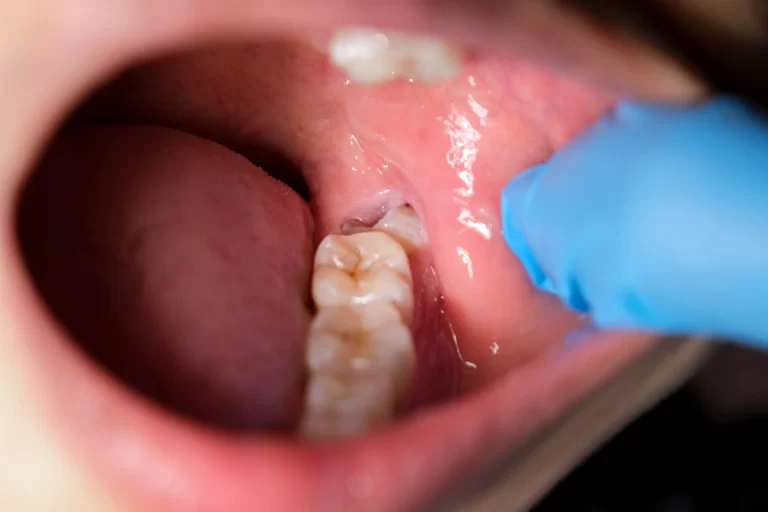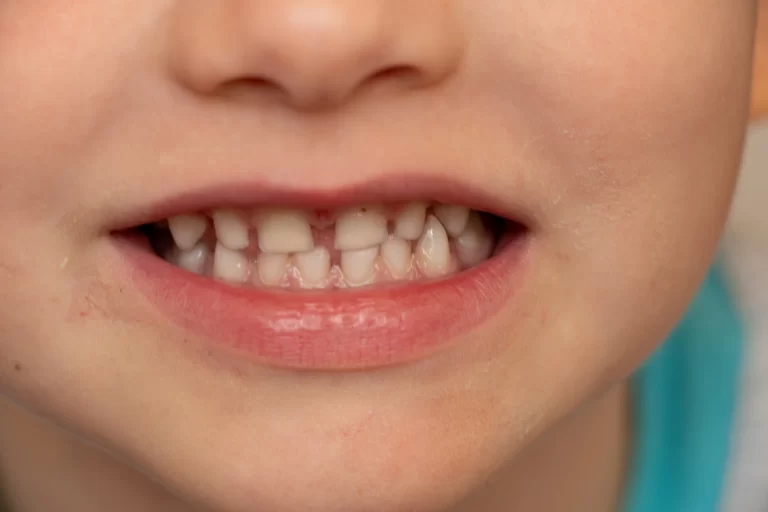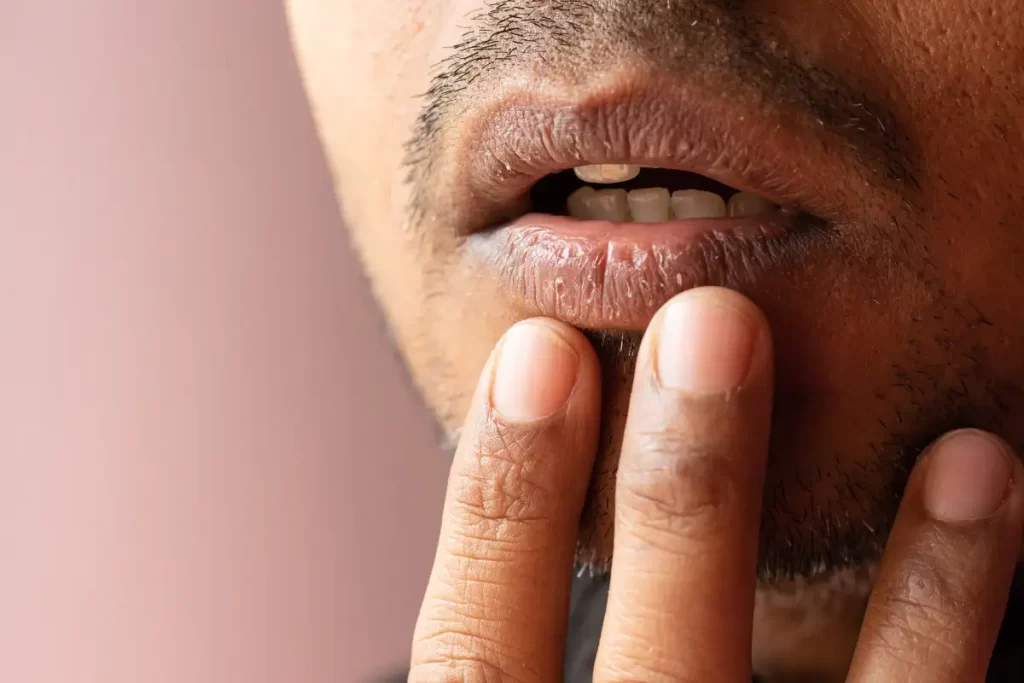
A dry mouth, also known as xerostomia, is an uncomfortable and sometimes genuinely painful problem for a lot of people. That sticky or burning feeling, trouble swallowing or speaking, a parched tongue, bad breath: any of it can wear on your day. What many people don’t realise is that a dry mouth is more than a nuisance. Left unchecked, it can take a real toll on your oral health. In this blog we explain what a dry mouth actually is, what tends to cause it, and how Skydent can help with the right treatment.
What is a dry mouth?
The salivary glands in your mouth produce a surprising amount of saliva, on average between 500 and 1,000 ml a day. Saliva does far more than keep the mouth moist. It protects your teeth against decay, helps you swallow and speak, and plays a part in digesting food. When saliva production drops, that natural balance is thrown off. Sometimes there is measurably less saliva (a condition called hyposalivation), but some people mainly feel an intense dryness without any sharp fall in production. Either way, we call it a dry mouth.
What a dry mouth means for your oral health
Because saliva does so much to protect the mouth, problems tend to pile up quickly once it dries out. Many people find eating harder, since food doesn’t go down as easily and flavours come through less clearly. Speaking gets more of an effort too, as the tongue can stick to the roof of the mouth. The lining of the mouth also irritates faster, which is what causes that burning sensation.
The biggest risk, though, is to the teeth themselves. With less saliva, your teeth lose much of their natural protection. Plaque builds up sooner, cavities form faster, and the chances of inflamed gums go up. For anyone already prone to gum problems or with a history of tooth decay, a dry mouth can make matters considerably worse. In cases like these it’s wise to seek professional help, for instance through our Dental Hygiene treatment, where we help keep your teeth thoroughly clean and well protected.
Problems for denture and implant wearers
A dry mouth can cause plenty of trouble for people with dentures or implants as well. A denture stays in place far better when the mouth has enough moisture. When things dry out, it can slip, rub, or create sore spots, which makes eating, speaking and even smiling less comfortable. Skydent offers several solutions for this within our Dentures treatments, where we can check whether your denture still fits well or whether some adjustment is needed.
For implant wearers, a dry mouth carries particular risk, because reduced saliva leaves the mouth more open to infection. A healthy oral environment is essential for implants to work as they should, so when dryness persists, a check-up or extra support through our Implant care can be well worth your while.

Why does a dry mouth happen?
There are plenty of reasons saliva production drops. One of the most common is medication. More than four hundred different medicines, including antidepressants, blood-pressure drugs, diuretics and sleeping tablets, can cause dryness as a side effect. Certain medical conditions play a big part too, such as diabetes, rheumatism, thyroid problems or Sjögren’s syndrome.
Lifestyle matters as well. Smoking, regular drinking and a lot of coffee all reduce saliva. Even stress or long stretches of mouth breathing, especially overnight, can dry the mouth out considerably. Since the cause varies so much from one person to the next, it’s sensible to have persistent complaints assessed by a professional.
How is a dry mouth investigated?
When someone has lived with a dry mouth for a long time, a saliva test is an option. It measures different types of saliva: saliva at rest, saliva while chewing, and saliva stimulated by something like citric acid. These readings give a clear picture of how well the salivary glands are working, and they help us put together suitable advice or a treatment plan.
What you can do yourself, and how Skydent can help
Treating a dry mouth depends very much on the cause. For some people it’s enough to sip water more often, chew sugar-free gum, or reach for stimulating foods like something sour or a touch of menthol. Others need hydrating mouth gels, alcohol-free mouthwashes or saliva-substitute products.
Still, professional support is often essential, especially when oral health starts to slip. At Skydent we don’t just treat the symptoms. We focus on protecting your teeth and improving your long-term comfort. For children dealing with these kinds of complaints, we also offer specialised care within our Paediatric Dentistry, where we look after young patients’ oral health in a way that puts them at ease.
Conclusion
A dry mouth can really disrupt daily life, and it has direct consequences for your teeth and oral health. The good news is that there are plenty of ways to ease the symptoms and give your mouth better protection. Whether you struggle to swallow, have sensitive gums, find yourself getting cavities more often, or notice your denture no longer sits comfortably, Skydent offers personal, expert care tailored to you.
Have questions, or noticing the signs of a dry mouth yourself? You’re very welcome to book an appointment at our dental practice in Leiden, so we can work out together which treatment best suits your situation.